Franklin County is committed to protecting natural resources, promoting sustainability, and engaging residents in shaping their community's future. The Board of Commissioners recognizes that preserving the environment is essential to maintaining a strong, vibrant county and works to ensure resources are used responsibly through thoughtful planning and collaboration.
This includes expanding access to sustainable services, encouraging responsible practices across agencies and partners, and strengthening civic engagement through transparent operations and clear communication. Together, these efforts help keep residents informed, involved, and connected to the future of Franklin County.
PUBLIC FACILITIES MANAGEMENT
Public Facilities Management (PFM) plays an essential role in keeping Franklin County buildings safe, functional, and ready to serve the community. The department oversees more than 40 County facilities, including corrections centers, the dog shelter, and other public-facing spaces. By managing these buildings, PFM supports County offices' daily operations and ensures residents have access to clean, reliable, and well-maintained environments.
Sustainability is a key focus of PFM's work. Five County buildings are LEED certified, meaning they were built using environmentally responsible practices that improve efficiency, reduce costs, and create healthier spaces.
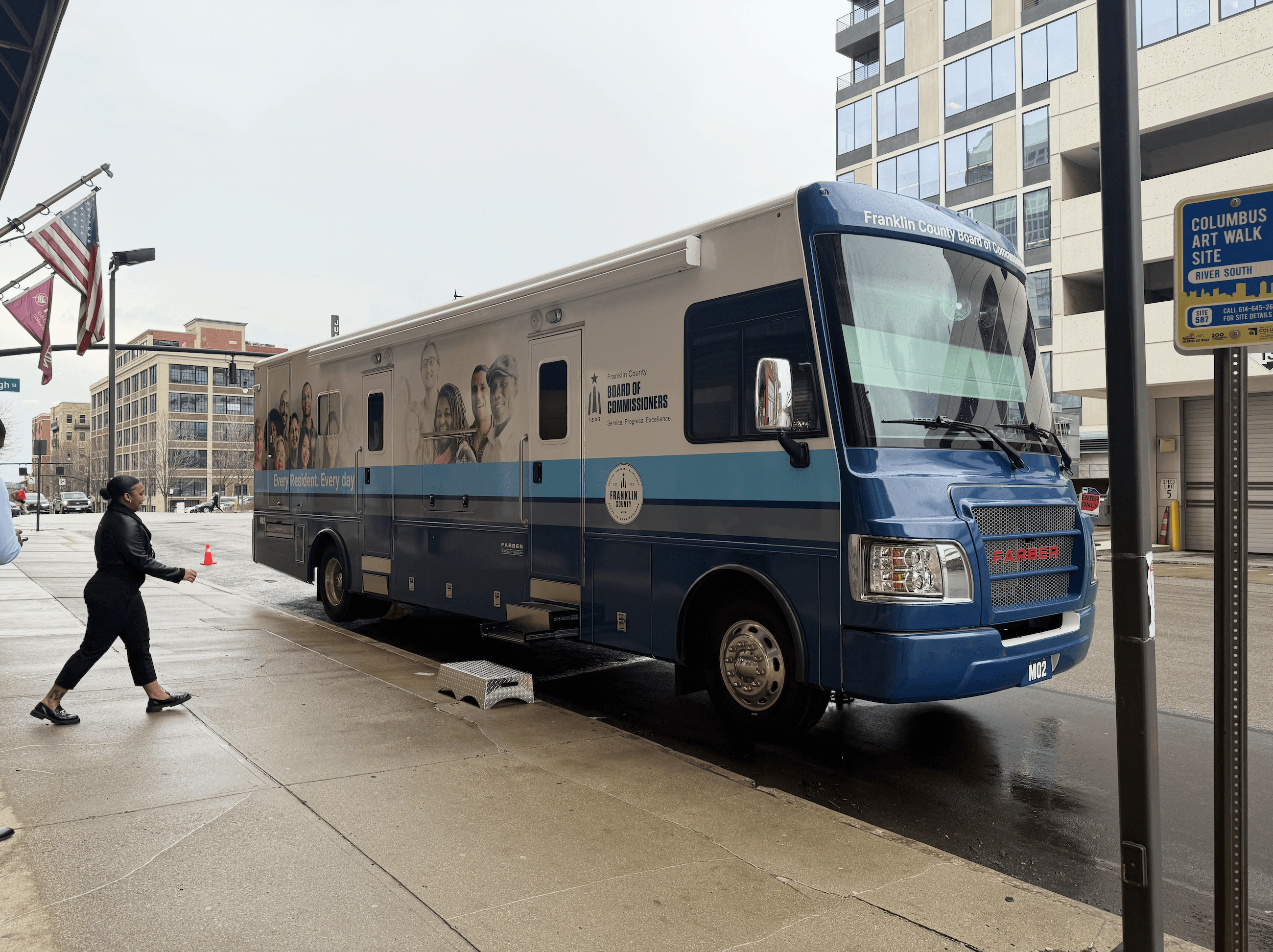
FLEET MANAGEMENT – MOBILE OFFICE TEAM
Fleet Management plays a key role in keeping Franklin County running by supporting the employees who serve residents every day. The department supports 34 county agencies, managing a fleet of more than 600 vehicles and a wide range of equipment.
2025 marked the first full year of Franklin County's Mobile Office team, bringing County services directly into neighborhoods across the community. The team participated in 139 events, meeting residents where they are and making services more accessible and convenient. Working in partnership with Health and Human Services agencies, Human Resources, and the Sheriff's Office, the Mobile Office helps connect residents to resources, answer questions, and provide support in real time.
139
Community events attended by Mobile Office team (first full year)
600+
Vehicles & equipment managed countywide
5.18m
Miles driven in 2025
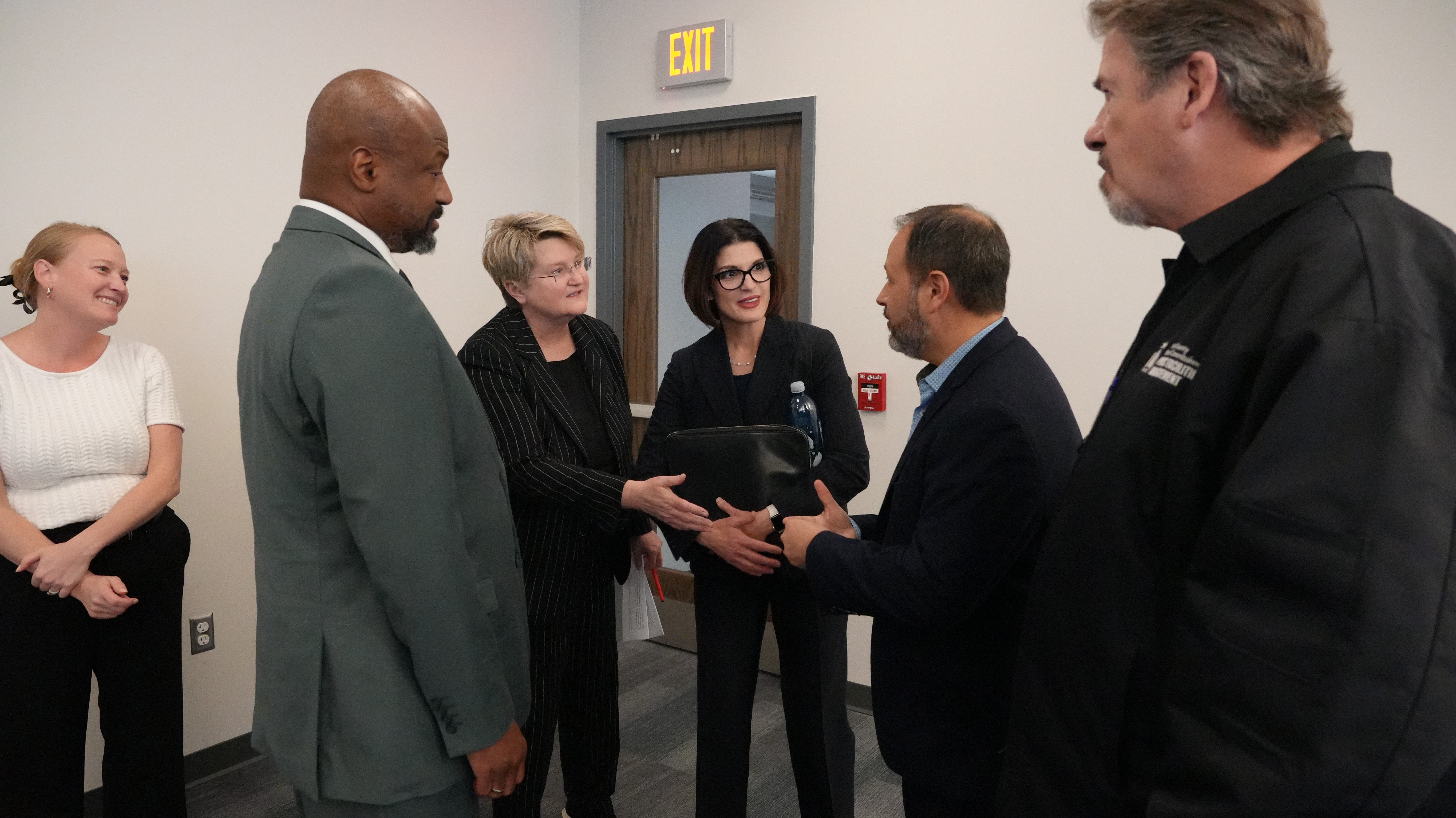
SANITARY ENGINEERING
The Franklin County Department of Sanitary Engineering continues to play a vital role in delivering clean water and wastewater services to residents in unincorporated areas of the county. Through safe, reliable, and environmentally responsible water management, the department helps protect public health, support economic development, and preserve natural resources.
527m
Gallons of drinking water delivered to customers
83.4m
Gallons of wastewater treated
320.5m
Gallons of wastewater sent to Columbus for treatment
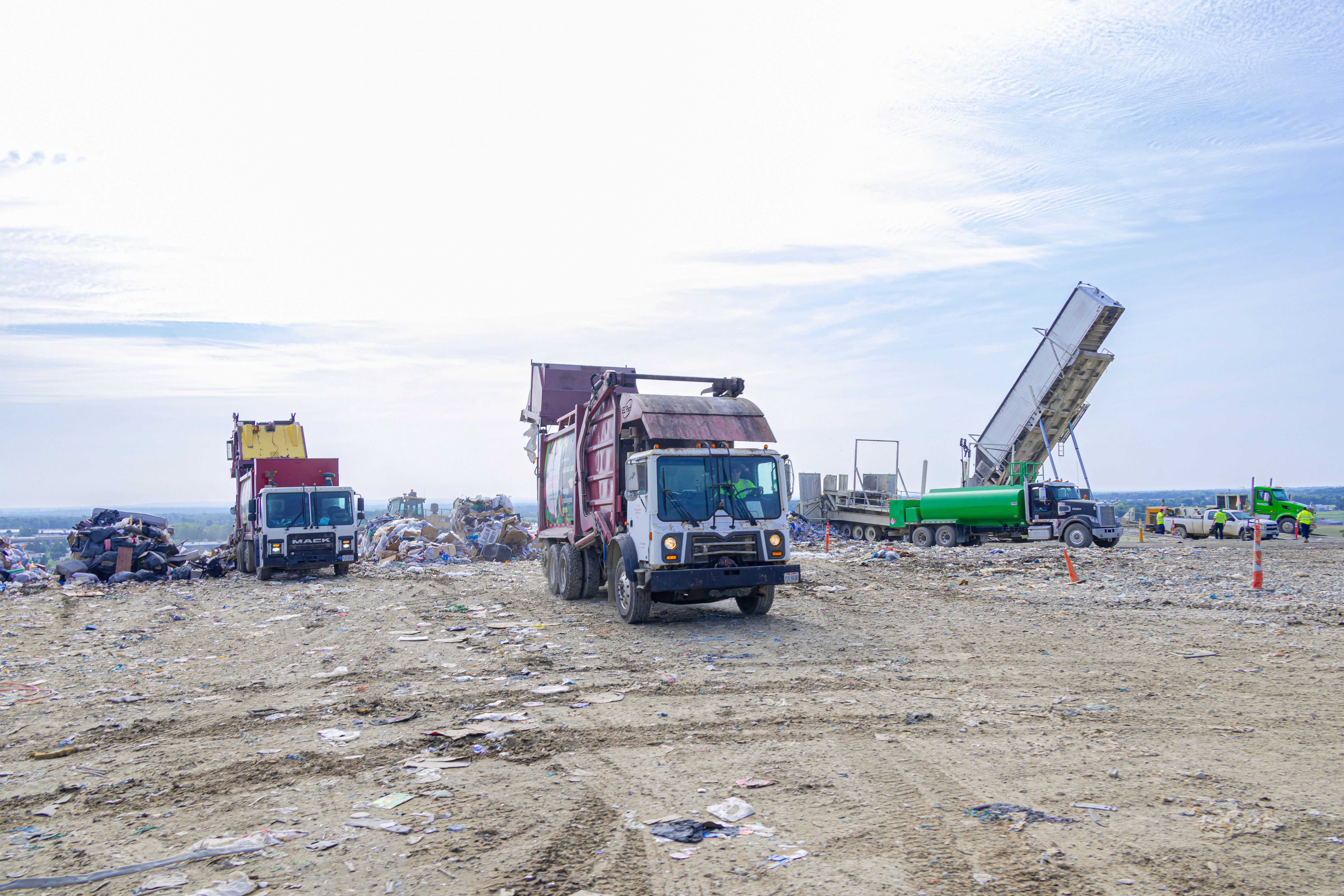
SWACO — SOLID WASTE AUTHORITY OF CENTRAL OHIO
The Solid Waste Authority of Central Ohio (SWACO) is one of 52 solid waste districts in Ohio and the only district that owns and operates its own landfill as a public service. Serving all of Franklin County, SWACO manages the Franklin County Sanitary Landfill while working to reduce the amount of waste sent there. Through partnerships with 41 local communities, the organization focuses on increasing recycling, reducing landfill use, and promoting more sustainable habits.
71
Community recycling drop-off sites (35 for food waste)
138 tons
Recyclable materials collected at Recycling Convenience Center
378
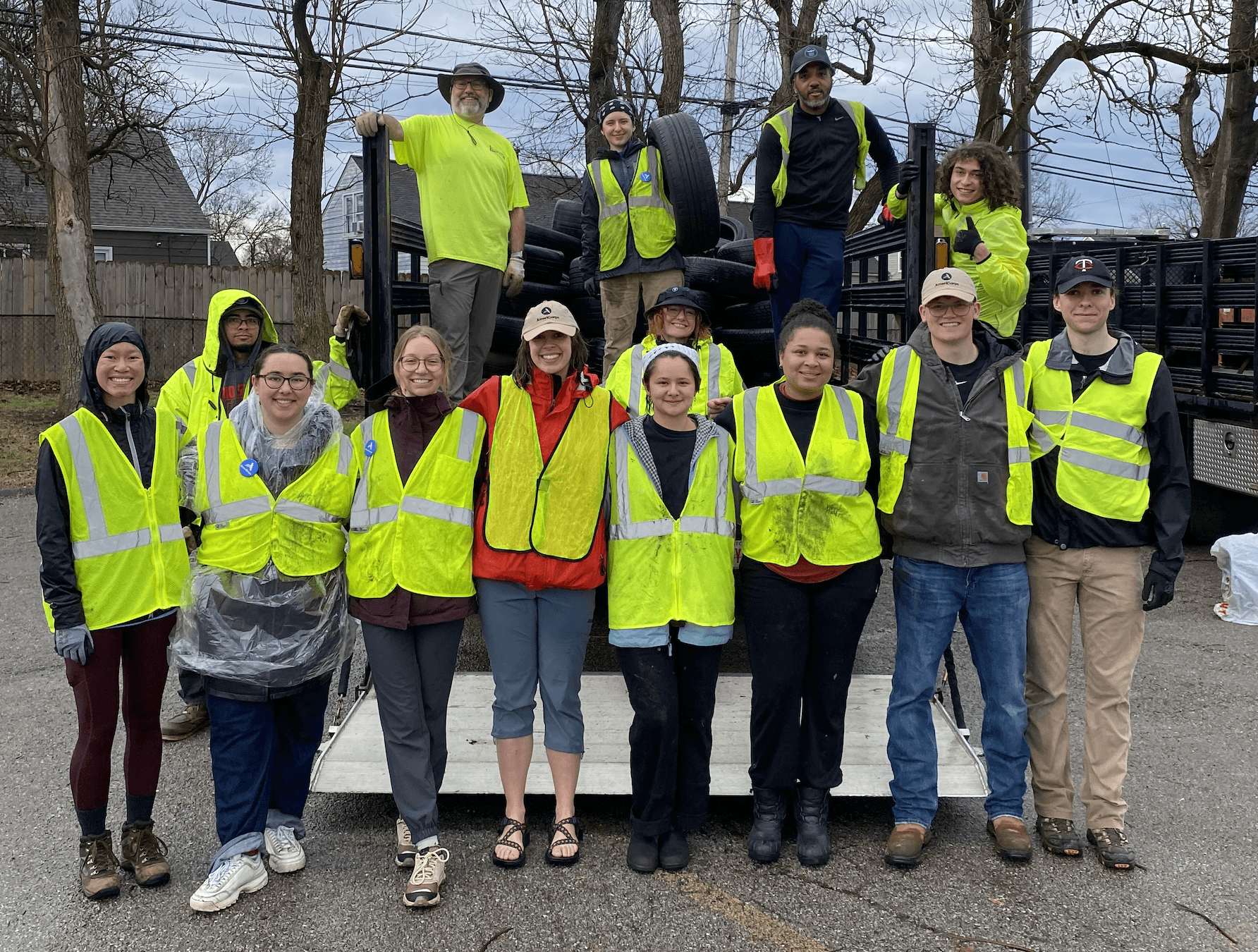
Illegal dumping cases investigated
We're being bold in making it easier than ever for families and businesses to recycle more, waste less, and see real savings. It's a practical solution that strengthens our environment, supports our local economy, and delivers real impact across our entire community."
-Joe Lombardi, Executive Director, SWACO
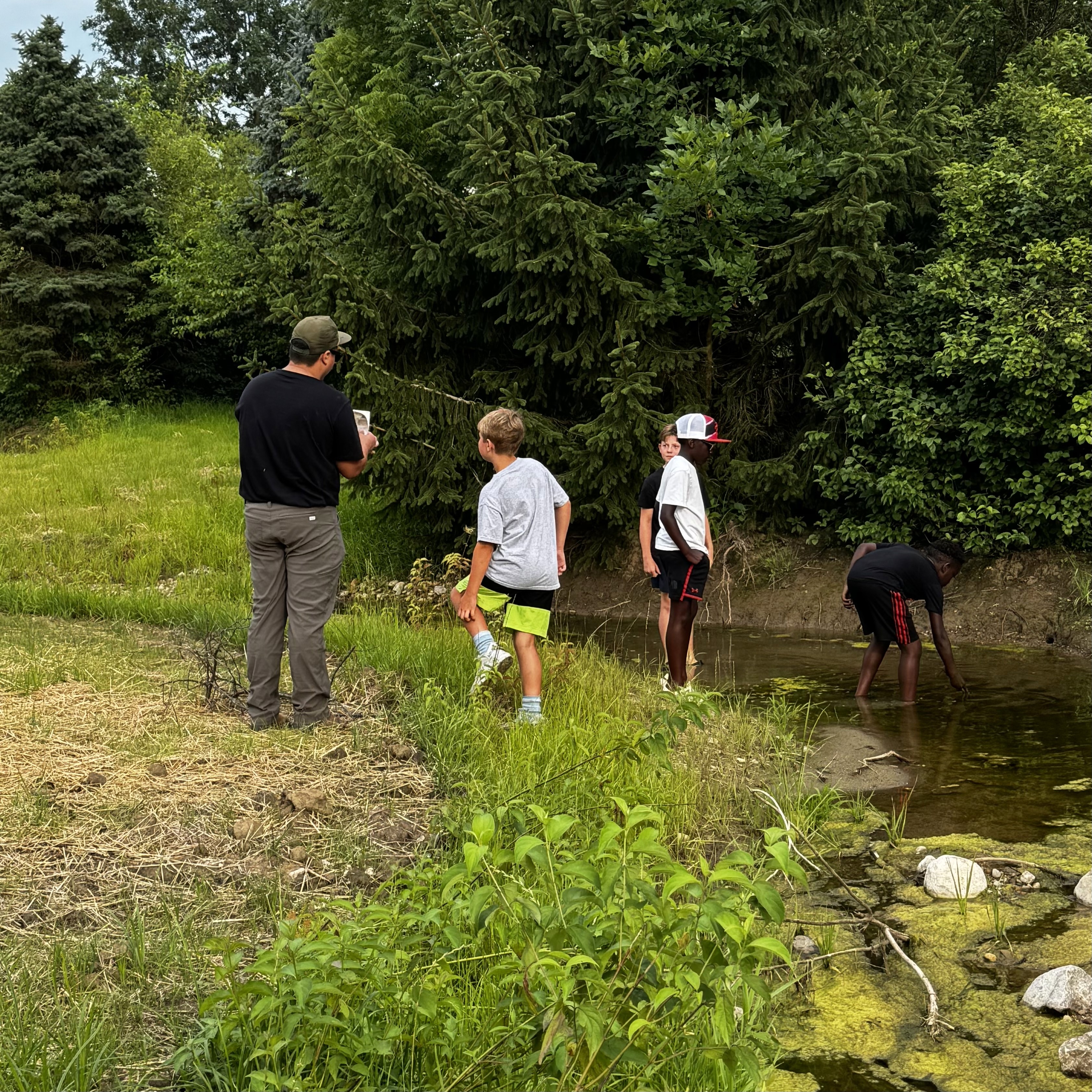
FRANKLIN SOIL & WATER CONSERVATION DISTRICT
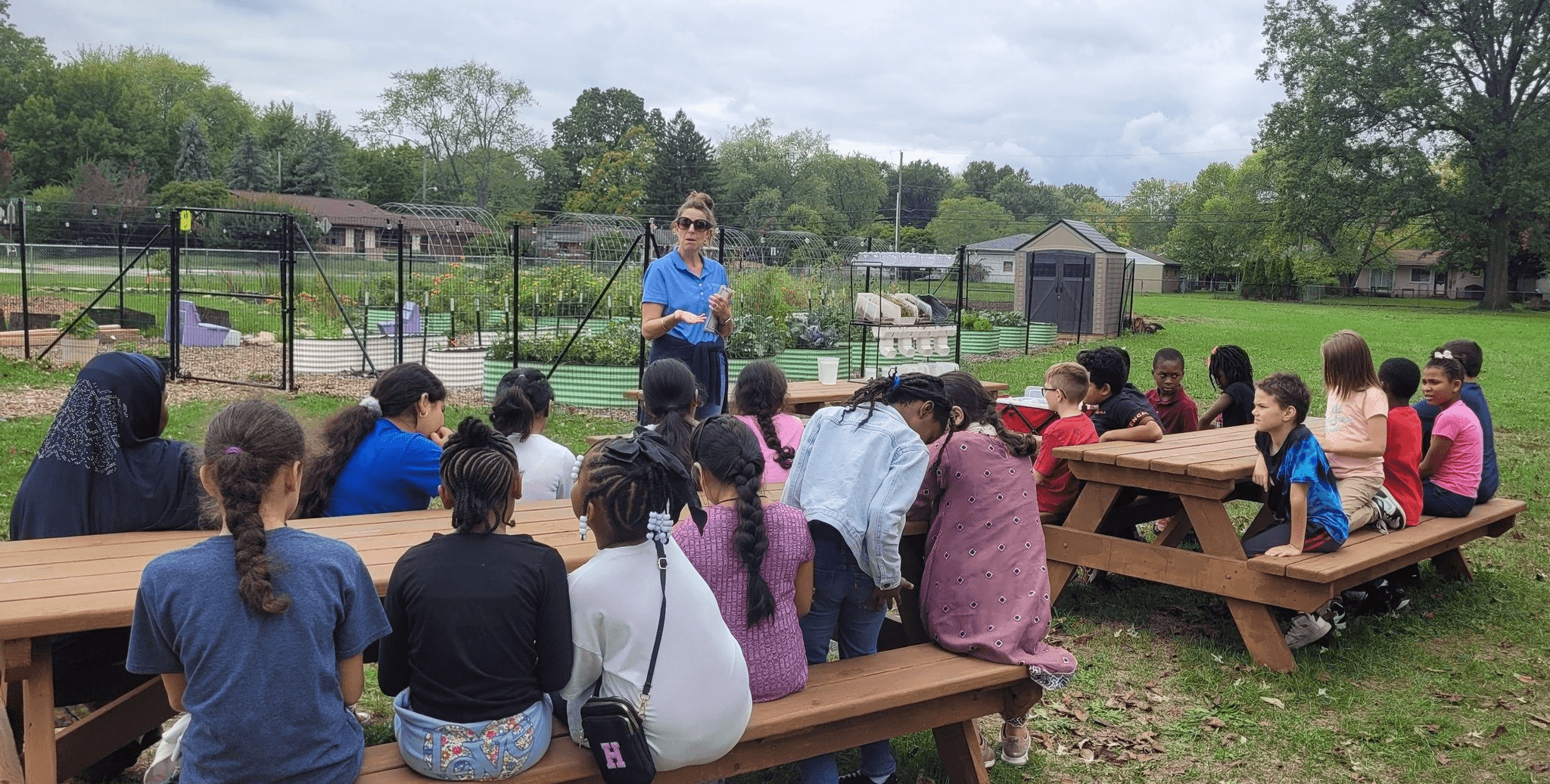
The Franklin Soil & Water Conservation District (SWCD) helps Franklin County residents protect and improve natural resources, especially soil and water, through practical, voluntary programs. Through rebates, grants, technical assistance, and education, SWCD supports residents, businesses, nonprofits, and local governments in making sustainable choices that protect drinking water and promote responsible land use.
$340k+
In conservation & urban agriculture grants — largest in District history
19,221
Students reached through environmental education programs
14,285
Native trees & shrubs distributed
750+
Acres of land protected through conservation easements
2,179
Community Backyards rebates issued ($118,000+ total)
5,200+
Residents connected at 68 community events